Encourage Availability
To encourage the availability and use of alternatively sized keyboards built to the DS Standard, so that the right instrument is within reach of the right pianist.
About the DS Standard Foundation
The DS Standard Foundation is a 501(c)(3) non-profit headquartered in Pennsylvania. We exist so that pianists whose hands cannot easily reach notes on the traditional 6.5 inch span keyboard can play the full repertoire without paying for it with injuries and strain.
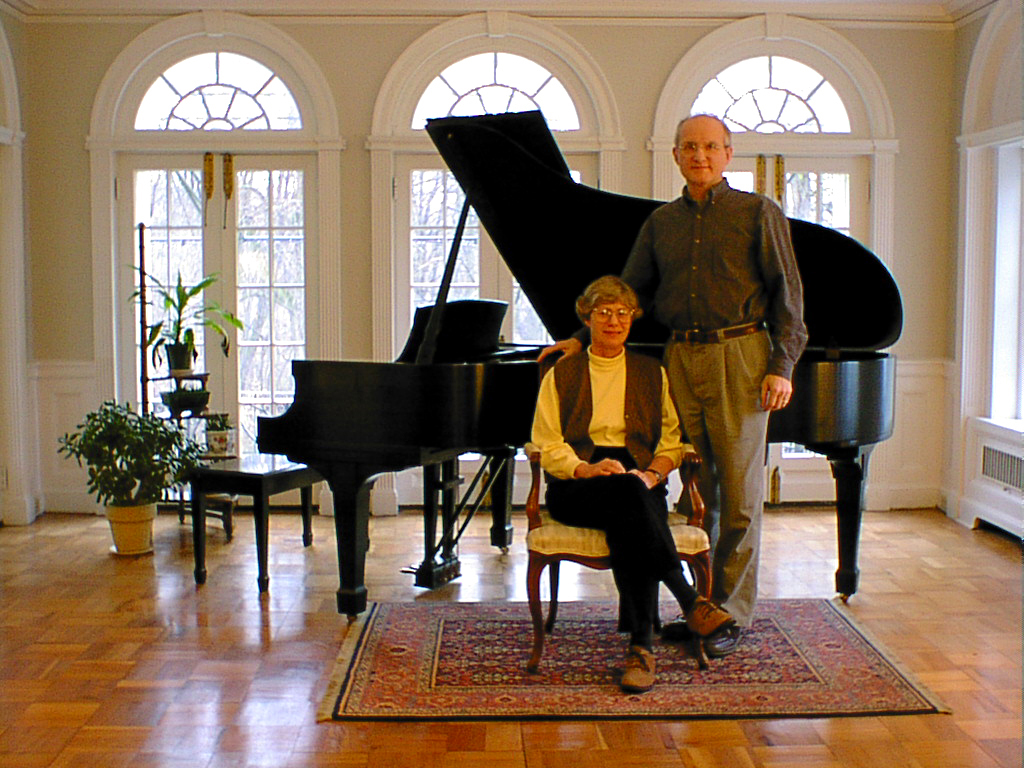
The Foundation was established as a non-profit corporation in the Commonwealth of Pennsylvania in 2018, and holds federal 501(c)(3) status. We are, in plain terms, the non-profit successor to a small workshop that had spent the previous three decades rethinking one part of the piano most people never question: the width of a key.
Incorporating the work was less about the organization and more about the instruments. Keyboards outlive their makers. By moving the research, the designs, and the stewardship into a permanent public-benefit entity, the tools remain where they should be: under pianists, not locked inside a business.
To set a standard for alternatively sized keyboards recognized globally, so that pianists (amateur or professional) can pursue their full musical potential without injury, and perform anywhere in the world knowing a keyboard bearing the DS logo will be the size they know.
A musical world where what a pianist plays is decided by imagination and training, not by the distance from thumb to fifth finger. Where the phrase "she has small hands" is a description of anatomy and nothing else.
To encourage the availability and use of alternatively sized keyboards built to the DS Standard, so that the right instrument is within reach of the right pianist.
To raise awareness of what becomes possible when a keyboard actually fits the hand playing it: more repertoire, less strain, and fewer careers quietly ended by geometry.
To help universities, conservatories, and schools acquire DS keyboards, so that the students most affected by the conventional span are not the last to touch one.
To support the ongoing biomechanical, pedagogical, and performance research that continues to refine the case for alternatively sized keyboards.
Having the opportunity to perform and teach on DS keyboards for the last 20 years has been an incredible gift. To fearlessly approach any significant work in the repertoire, knowing that it is within your grasp and that you needn’t fear injury, has been a dream come true for me and for my students with smaller hand spans.
That this previously unimaginable breakthrough hasn’t been fully embraced yet is inconceivable to me, but I hope that in the culture of the 2020s, inflexible tradition will give way to reason. When one considers that 87% of adult females, 24% of adult males, and 100% of young children are musically and technically limited by a keyboard size that is too large for them, and that injuries continue at a wholly unacceptable rate, the only logical solution is to offer alternative standards. I’m very grateful to the DS Standard Foundation for leading this initiative globally.
A working board of engineers, pianists, scholars, and stewards. Each has some direct reason to care whether the next generation of pianists finds the right keyboard waiting for them.
Drawing on a career in computer science and engineering, David has spent the last three decades developing a practical way to retrofit acoustic pianos with the highest quality alternatively sized keyboards. In May of 2018 he converted his manufacturing business, Steinbuhler & Company, into the non-profit DS Standard Foundation.
Supported by academic research, he has established keyboard sizes that comfortably accommodate virtually every hand.
The non-profit DS Standard Foundation, which facilitates the study of these keyboards at schools and universities around the world, continues that work today.
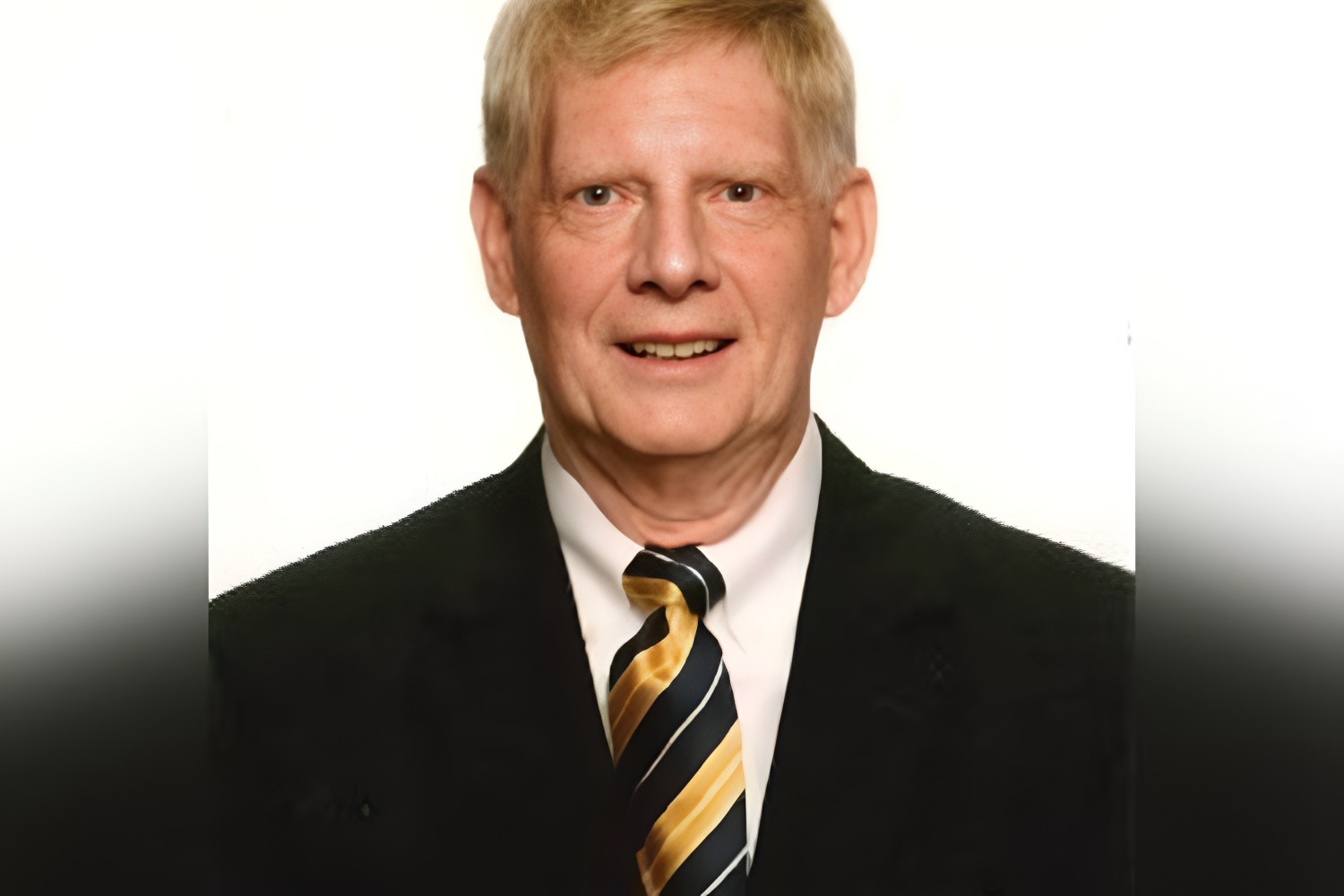
A native of New York and an alumnus of William and Mary, the University of St. Andrews, and Princeton, Barry has devoted his entire career to building non-profit corporations and to philanthropy.
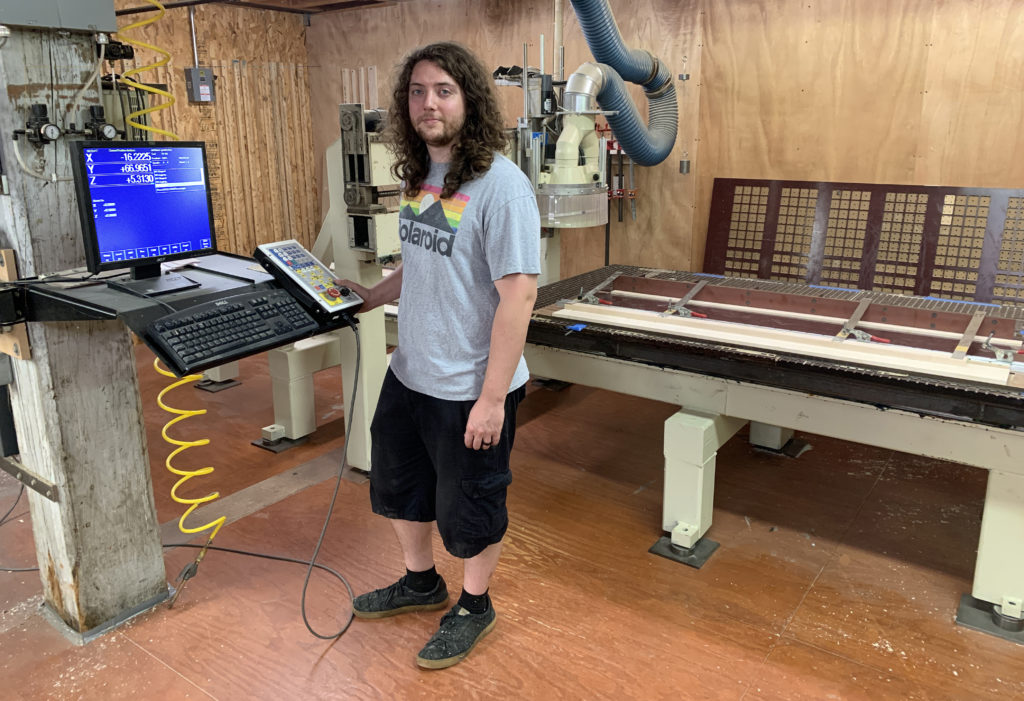
Grandson of the Foundation's founder, Alex is committed to carrying the manufacturing work forward. Since 2016 he has built piano actions by hand and developed a high level of skill in every aspect of their construction.
Since 2019 he has also maintained the Foundation's operational books.
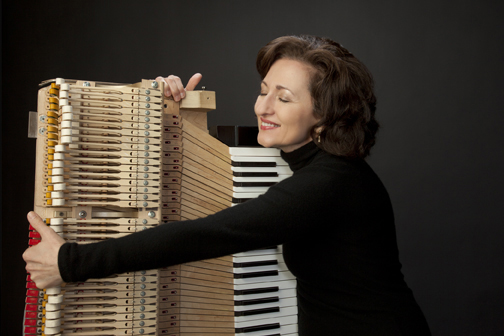
Chair of Piano Studies and Professor of Piano at Southern Methodist University's Meadows School of the Arts in Dallas, Texas, Carol has taught and performed throughout the USA, Europe, and Asia, winning both prizes and acclaim in such venues as the National Beethoven Sonata Competition, the Missouri Southern International Piano Competition, and the International Masters Competition.
Her professional training included study at the renowned Curtis Institute of Music in Philadelphia, where she was a student of the Polish pianist Mieczyslaw Horszowski. She was also a student of Guido Agosti in Rome and holds the prestigious Honors Diploma from the Accademia Chigiana in Siena, Italy.
Considered today's leading performer, teacher, and researcher on alternatively sized piano keyboards for the benefit of pianists with smaller hand spans, Carol has been published in journals such as American Music Teacher, Piano Professional, and Clavier Companion. Southern Methodist University was the first institution of higher learning to provide alternatively sized keyboards for students who wish to use them.
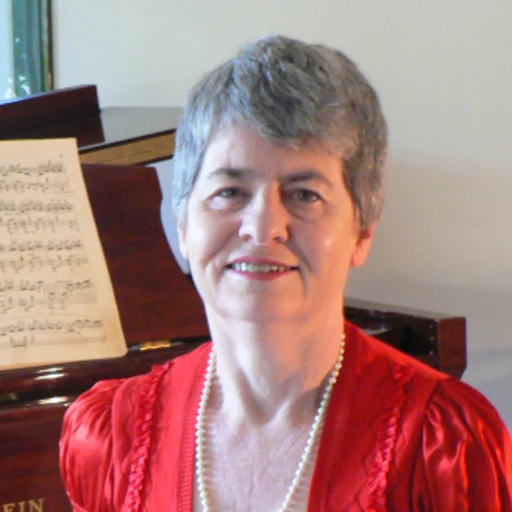
An eager student of the piano since her childhood in Melbourne, Australia, and an environmental scientist with expertise in urban planning. In 2009 Rhonda was the first pianist in Australia to own and play a DS5.5 Keyboard.
Her extensive research relating to hand size and the piano has resulted in invitations to speak at piano conferences in Australia, Europe, and the USA. She has been published in the Music Teachers National Association e-Journal (USA) and the European Piano Teachers Association journal Piano Professional (UK).
Rhonda co-founded the global network PASK (Pianists for Alternatively Sized Keyboards) with Erica Booker (Sydney) and Professor Carol Leone (SMU, Texas). The website paskpiano.org includes information on research, activities, and developments relevant to alternatively sized piano keyboards.
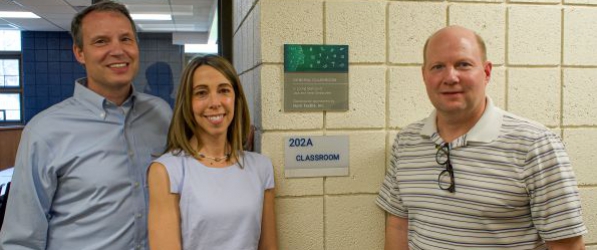
Added in February 2025 to help secure the future of the Foundation's manufacturing operations. They also run a family-owned textile business that has been thriving in Titusville, Pennsylvania since 1897.
I cannot begin to describe the career-changing, and even life-changing, benefits our students have reaped from having these instruments to practice on daily. Their first response though was, “Why did it take so long? Why did we have to suffer so unnecessarily?”
Playing-related injury in the piano world is persistently and tragically prevalent; consensus among researchers is that female pianists are twice as likely to develop an injury, and smaller hands are implicated.
Since the NASM now requires some form of education in injury-prevention and musculoskeletal health, it seems almost imperative that accredited music departments in the US acquire such keyboards. Addressing this glaring inequity is long overdue.
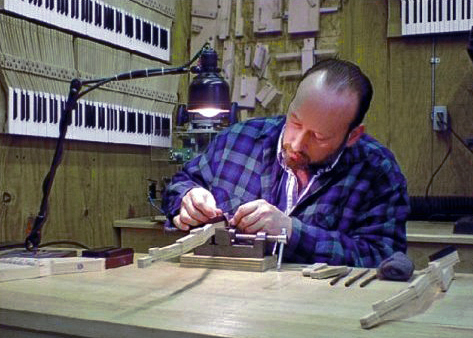
The Foundation inherited everything Steinbuhler & Company had spent thirty years making and measuring: the actions, the tooling, the correspondence, and the quiet network of pianists, universities, and technicians who had started to rely on the work.
Our job, plainly, is not to change any of that. Our job is to keep it going, to keep the benches staffed, to keep placing keyboards in schools, and to make sure a pianist looking for a DS6.0 in 2050 can still find one.
Pianists, teachers, institutions, and philanthropists who want to support the archive, place a keyboard on a campus, or simply introduce themselves are warmly invited to be in touch.
The sources of the images and other media used on this website are listed in our acknowledgements document.
Read the acknowledgements (PDF)